OLIPOP Review 2026: Is the Prebiotic Soda Actually Good for Your Gut?
OLIPOP promises the taste of classic soda with 9g of prebiotic fiber and a fraction of the sugar. We read the full ingredient label across six flavors, priced it per can and ran the formula against the science. Here is the honest verdict.
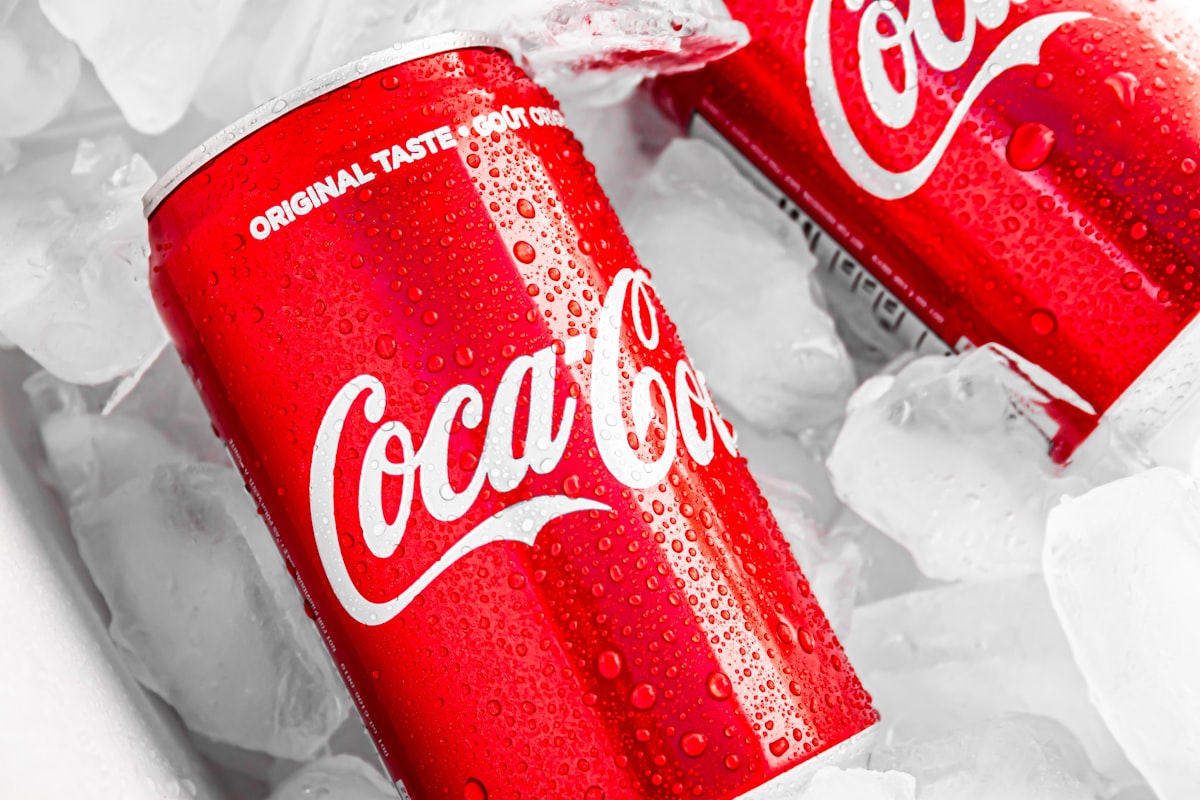
OLIPOP has become one of the fastest-growing beverage brands in the United States, appearing in Whole Foods, Target, and Walmart while racking up hundreds of millions in annual revenue. The pitch is simple and seductive: all the nostalgic pleasure of classic soda — Vintage Cola, Classic Root Beer, Cherry Vanilla — with 9 grams of prebiotic fiber, only 2–5 grams of sugar, and 35–45 calories per can. The brand claims it supports digestive health, feeds beneficial gut bacteria, and offers a genuinely better alternative to conventional soda.
But does it actually work? We read the full ingredient label on six flavors, priced every can against the alternatives, went through the independent review record, and checked the peer-reviewed literature on its core ingredients. Here is what we found.
The background
The prebiotic soda category barely existed five years ago. OLIPOP was founded in 2018 by Ben Goodwin and David Lester with the specific goal of creating a functional soda that could compete on taste while delivering real digestive benefits. The brand has since raised over $50 million in funding and achieved a valuation exceeding $200 million — remarkable for a beverage company that only sells canned drinks.
The category has attracted a major competitor in Poppi, which was acquired by PepsiCo in 2025 for $1.65 billion. That acquisition validated the entire prebiotic soda category as a serious market force, but it also raised questions about whether Poppi's formula — built primarily around apple cider vinegar — is as effective as OLIPOP's more complex fiber blend.
What it actually is
OLIPOP is a sparkling beverage sweetened with a blend of stevia and cassava root syrup, containing 2–5g of sugar per can depending on the flavor. Its functional ingredient stack includes a proprietary "Botanical Blend" of cassava root fiber, chicory root inulin, Jerusalem artichoke inulin, nopal cactus, calendula flower, and marshmallow root. Together, these deliver 9g of dietary fiber per can — roughly one-third of the recommended daily intake.
The fiber sources are the most scientifically credible part of the formula. Inulin from chicory root is one of the most well-studied prebiotic fibers, with multiple randomized controlled trials demonstrating its ability to increase populations of Bifidobacterium and Lactobacillus in the gut. Jerusalem artichoke inulin has similar evidence. The botanical additions (calendula, marshmallow root) have limited clinical evidence for gut health specifically, but are generally recognized as safe.
What works
The taste is genuinely impressive, and the independent review record is close to unanimous on it. OLIPOP does not taste like a health product — it tastes like soda. Vintage Cola is the flavor reviewers most often name as the closest thing to a Coca-Cola alternative, with a slightly herbal finish that most people will not notice. Cherry Vanilla and Strawberry Vanilla are the standout flavors in the review record. The fiber content is meaningful and backed by real science. At 9g per can, two cans per day would cover two-thirds of the recommended daily fiber intake — a genuine functional benefit, not marketing language. The calorie count (35–45 per can) makes it a credible swap for regular soda, which runs 140–180 calories per 12oz.
What does not
The inulin content that makes OLIPOP functional is also its main liability for some consumers. Inulin is a fermentable fiber, and in sensitive individuals — particularly those with IBS or FODMAP sensitivities — it can cause significant bloating, gas, and digestive discomfort. This is not a flaw unique to OLIPOP; it is a known property of prebiotic fibers. But the brand's marketing does not prominently disclose this risk. The price point is also a genuine barrier: at $2.49–$2.99 per can, a daily OLIPOP habit costs $75–$90 per month — significantly more than regular soda.
What it costs
Single can: $2.49–$2.99 at retail. 12-pack from OLIPOP.com: $35.99 ($3.00/can). Subscription 12-pack: $30.59 ($2.55/can). Compared to regular soda at $0.50–$0.75/can, OLIPOP carries a 4–6x premium.
The verdict
OLIPOP is a genuinely good product that delivers on its core promise: it tastes like soda, contains meaningful prebiotic fiber, and has significantly less sugar than conventional alternatives. For people who drink soda daily and want a healthier swap, it is worth the premium. For people with IBS or FODMAP sensitivities, start with half a can to test tolerance. For everyone else, it is a legitimate functional beverage — not a miracle, but a real improvement over what it replaces.
What works
- 9g of prebiotic fiber per can — backed by real clinical evidence on inulin
- Genuinely tastes like soda — not a health product compromise
- Only 35–45 calories and 2–5g sugar per can
- Wide availability at Whole Foods, Target, Walmart, and online
- Subscription pricing brings cost down to $2.55/can
What does not
- Can cause bloating and gas in people with IBS or FODMAP sensitivities
- Premium price at $2.49–$2.99/can vs. $0.50–$0.75 for regular soda
- Botanical ingredients (calendula, marshmallow root) have limited clinical evidence
- Reviewers consistently flag some flavors (Lemon Lime, Orange Squeeze) as noticeably artificial
Related
See all
Matcha Powder Review 2026: Is This Superfood Worth It?
Matcha powder promises antioxidant-packed energy and health boosts, but does the science back the hype amid rising prices and contamination risks? Trisend Magazine tests the claims to reveal if premium ceremonial matcha justifies its $20–$50 tins for daily rituals or if cheaper greens suffice.
Prime Hydration Review 2026: Is Logan Paul's Drink a Sports Beverage or an Overpriced Scam?
Prime Hydration became one of the fastest-growing beverage brands in history. But does it actually hydrate you better than water? We broke down the science — and the results are not flattering.
AG1 by Athletic Greens Review: Is This $99/Month Greens Powder Actually Worth It?
AG1 promises 75 vitamins, minerals, and adaptogens in a single scoop. We dug into the science, the ingredients, and the price tag — and the truth might surprise you.

Air Purifiers 2026: Overhyped Promises Consumer Alert
Air purifiers promise cleaner air and allergy relief, but overhyped claims ignore real-world limits like sizing and maintenance. Trisend uncovers the science, scandals, and true value in this 2026 consumer alert.